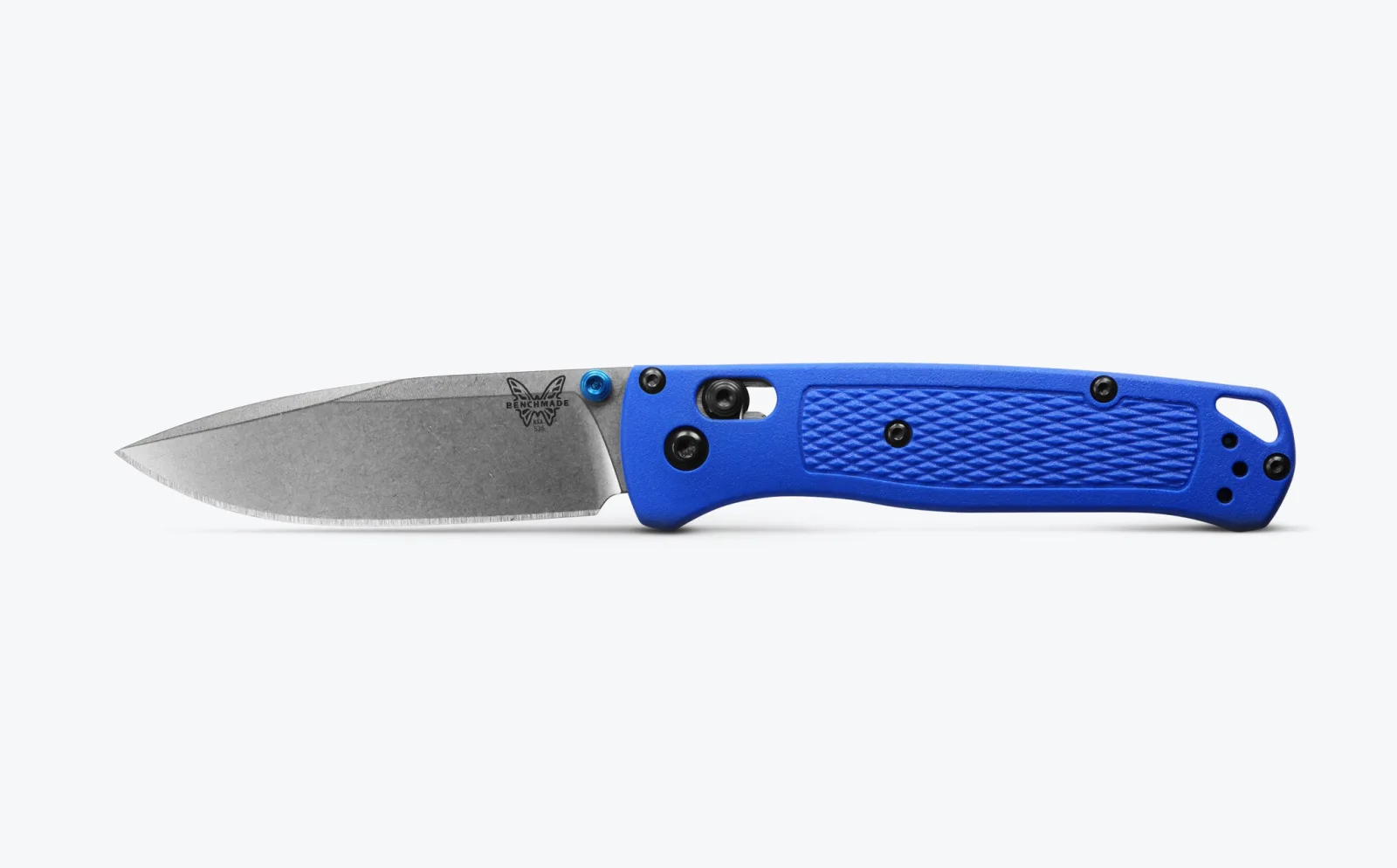
Keep the model identity attached.
Start with the full model and variant. Stainless and carbon versions, a standard and a heavy-duty version, or different handle materials can have different specifications. Save the source and the date next to the fields you record. A product family name is not enough.
Keep length labels intact.
An open overall length, closed handle length and blade length are different measurements. Our comparison preserves each source’s labels instead of placing unlike lengths into a single unlabeled number. If cutting edge length is important to you and the maker does not state it, ask the maker rather than substituting blade length.
Ask what is on the scale.
A sheath can be part of what you carry even when it is absent from a quoted knife weight. Packaging or included tools can also make source conventions unclear. In our catalogue, the Companion source’s displayed weight does not clearly identify the accessories included. We show that limit beside the number.
Separate facts from the conclusion.
A published dimension is a maker claim until independently measured. Comfort, ease of opening, cutting behavior and long-term edge performance need different evidence. Use the sheet to identify the questions worth checking in person. Do not read a detailed table as proof that anyone has tested the knife.
Build a record you can update.
Keep the model, variant, source URL, checked date, measurement basis and unresolved questions together. This is the same record structure used by our product profiles. It makes later corrections possible without rewriting a confident verdict around a fact that was never verified.
About this guide
This is an editorial buying checklist. It makes no product performance claims. Named product facts are linked in the individual profiles.
Put the questions to work.
Compare the documented facts without turning them into a performance score.
Compare knives