EDC
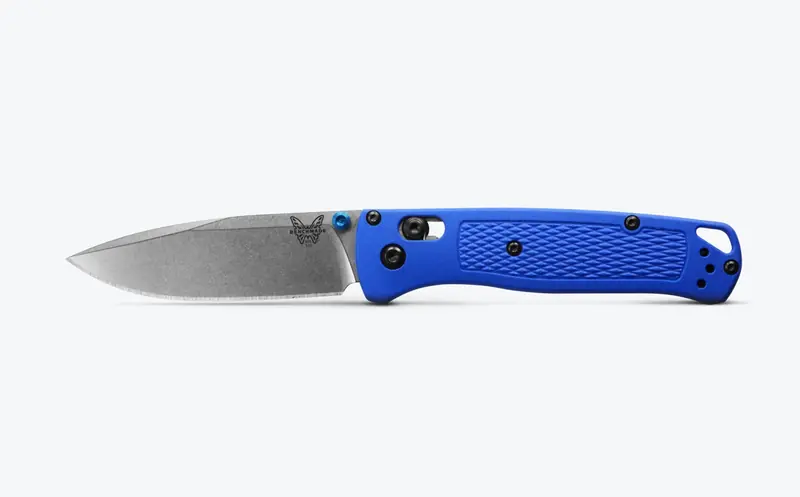
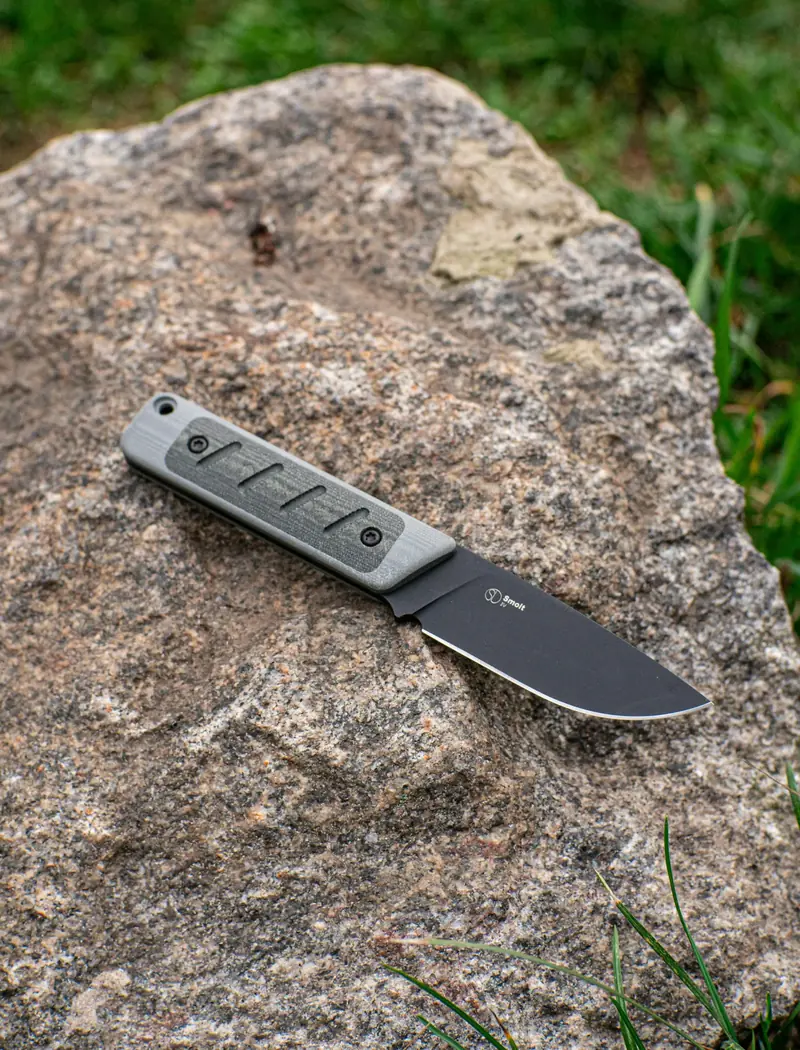
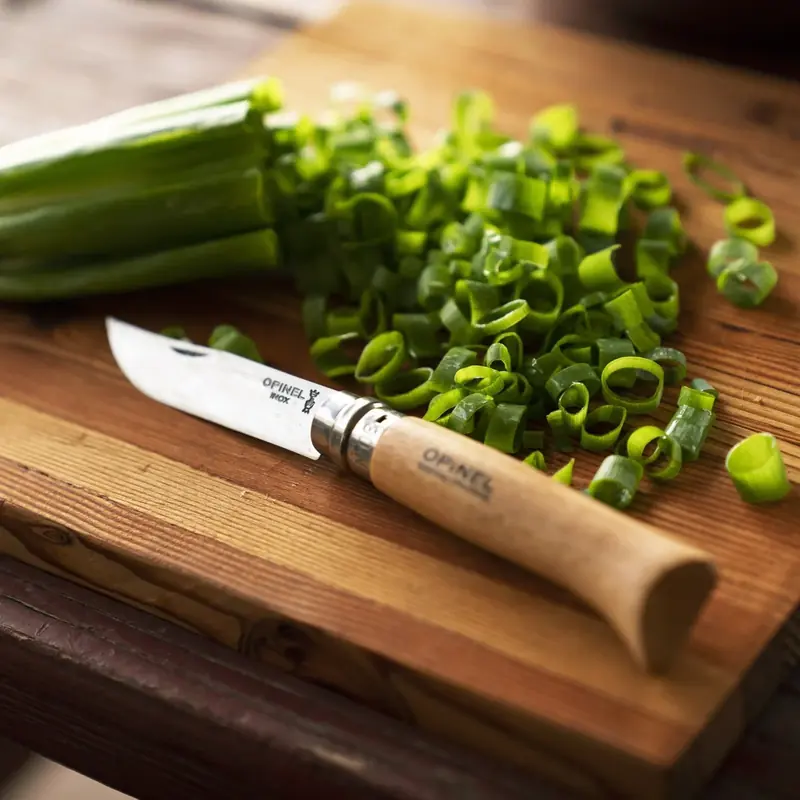
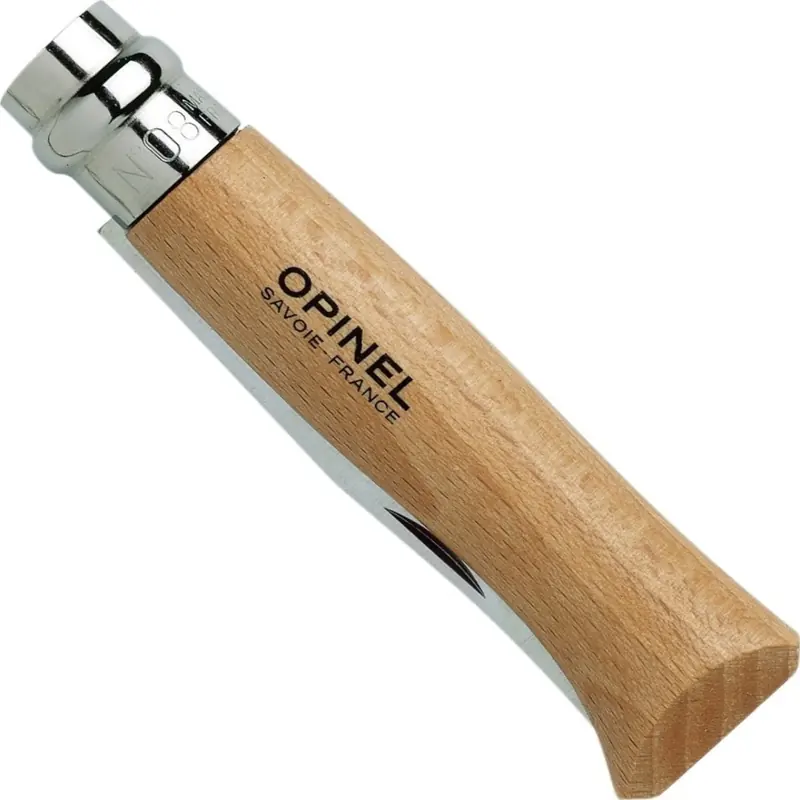
A better first pocket knife.
Start with what you cut, where you carry, and what you will maintain.
Everyday carry
A useful question before the purchase. A clear answer before the next step.
38 guides
Start with what you cut, where you carry, and what you will maintain.
Blade length is not edge length. Listed weight needs a basis.
This shortlist includes only pocket knives whose lowest exact-match feed price was below the stated budget on November 4, 2026. Each table row names its merchant and read date. Prices change. We have done no hands-on testing, so a qualifying price is an entry rule, not a performance or value award.
Liner, frame, back, crossbar, button and compression locks use different mechanisms to hold a folding blade open. A slip joint uses spring resistance and does not mechanically lock.
Blade shapes describe the spine, edge and tip, while grind names describe the cross-section. Use the outline to identify a pattern, then check the exact maker’s specification.
Choose a camp knife by the tasks and carry system you can support. The table compares fixed blades, a sheath-carried folder and a multi-tool using maker specifications and dated feed offers. Prices change. We have done no hands-on testing; listed steel, thickness and weight do not establish field performance.
Start with the trip, the cutting task and what you will carry. These references connect folding and fixed formats to maker specifications, camping comparisons and weight labels.
Start with the maker’s weight label and the carry system. This table sorts existing outdoor catalog records by listed mass while preserving source dates and differences in what may be included.
Edge retention, toughness and corrosion resistance answer different questions.
These four exact variants have maker-published CPM-MagnaCut evidence. Compare their opening mechanisms, carry systems and source limits before choosing. This is a spec- and source-based comparison, not a hands-on test or a steel-performance ranking. Prices appear only when a loaded, dated AvantLink feed row matches the exact variant and steel generation.
Stainless and carbon steels need different care, but neither name predicts a finished knife’s cutting life. Start with the maker’s steel, edge and maintenance instructions.
Flat, hollow, convex, Scandi and saber describe blade geometry rather than steel quality. Check the primary grind and the small edge bevel separately.
D2 is Niagara’s air-hardening tool steel for uses including industrial knives and slitters. Alleima’s 14C28N is a nitrogen-alloyed stainless grade developed for knife applications.
Crucible describes S35VN as a revision of S30V that adds niobium and rebalances its carbide chemistry. The producer’s aims are improved toughness and easier machining and polishing.
Crucible’s MagnaCut design eliminates chromium carbides from the heat-treated structure. S30V instead balances its chemistry to favor vanadium carbides over chromium carbides.
Damascus steel can mean historic crucible steel called wootz, or modern steel made by joining contrasting alloys into a visible pattern. A knife sold with an etched, laser-marked or printed pattern still needs a construction record: the surface design alone cannot identify its cutting steel.
Choose maintenance that fits your tools, routine and handle material.
Find the maker’s instructions before choosing an angle or a system.
Choose a sharpener by its blade support, angle guidance and included abrasives. This comparison puts four manual kits beside their maker documents and retailer feed offers read November 4, 2026. Prices change. We have done no hands-on testing, so the table does not rank sharpness, speed or ease of use.
For its table and kitchen knives, Victorinox says to remove stains or corrosion with an abrasive sponge and wash knives under running water after use. Check the exact model and finish first; this care sheet does not establish an abrasive method for other makers’ knives.
Start with a diamond plate in the grit your edge needs: the dated offers below cover coarse repair through fine refinement. Choose an Arkansas kit if you prefer its maker’s oil-and-grade system; compare waterstone preparation separately in the maker table.
Prepare and secure the whetstone as its maker directs, hold the knife’s specified angle, and sharpen both bevels with controlled strokes. Refine on the finer stone, remove the burr gently, then clean and dry the knife; use the steps below for plain double-bevel steel blades.
Food preparation deserves its own shortlist, handling check and care plan.
Compare these four exact chef-knife candidates by maker specifications, then check the dated retailer row before treating any candidate as under $100. This is a spec- and source-based comparison, not a hands-on test. A missing feed price means the budget claim is unconfirmed; it does not mean the knife costs nothing.
Match the knife to the food, the board and the care you can keep. Use the format chooser, source-based chef comparison and kitchen references to build a focused shortlist.
Shun’s format table lists chef blades in 6-, 8- and 10-inch lengths, versus santoku blades in 5.5-, 7- and 8.5-inch lengths. Its diagrams show a pointed chef profile and a santoku with a spine that curves down toward the tip.
Shun publishes 16° per side for double-bevel knives and generally 60–61 HRC for its VG10 and VG-MAX steels; Wüsthof publishes 14° per side for standard blades and 58 HRC for Classic 1040100120. Their opened records provide no common blade-thickness or knife-weight comparison; these examples do not define every Japanese or German knife.
Use a storage system that keeps exposed edges out of a loose drawer. Follow the knife maker’s drying instructions and the storage maker’s fit and mounting instructions.
Choose an allowed cutting surface before comparing board features. Maker instructions differ, so this reference preserves their scope rather than assigning every board material a score.
A chef knife or santoku covers most board work; a paring knife handles small detail cuts, and a bread knife handles loaves. Add boning, flexible fillet, carving, steak or meat-cleaver formats when those tasks arise; a honing steel is a maintenance tool.
Start with the blade format, gut hook and sheath you intend to carry. This comparison covers two fixed skinners with maker documentation and matching retailer feed rows read November 4, 2026. Prices change. We have done no hands-on testing and cannot establish cutting control, grip comfort or performance on game.
Keep a skinning format, a general camp knife and a replaceable-blade system distinct. This hub routes you to documented models and ownership questions without claiming field results.
A permanently attached blade and a replaceable blade create different maintenance questions. Confirm the exact blade system and instructions before comparing weight or retailer offers.
Choose the tools you need before choosing a Swiss Army knife by its function count. This table compares the red Classic SD, Spartan and Huntsman using Victorinox US tool lists, closed dimensions and matching dated feed offers. Prices change. We have done no hands-on testing and cannot establish handling comfort.
Choose required functions before counting functions. Compare exact Victorinox tool lists and closed dimensions, then decide whether a plier-based multi-tool solves a different job.
Compare the closed body and the tools of the exact model. These seven Victorinox records retain the maker’s US units, with layer counts left unknown where the opened specification does not publish them.
Start with the jobs you need to do, especially whether pliers are required. Swiss Army knives and plier-based tools overlap, so inspect the exact model rather than treating either name as a complete tool list.
Clear your search to see all guides.